Summer (late June through August)
Warm days, every trail and shuttle running, and the classic Maine harbor scene in full swing. Busiest window, so mornings are your friend.
Park Guides · Maine
Granite coast, carriage roads, and the first sunrise in America.
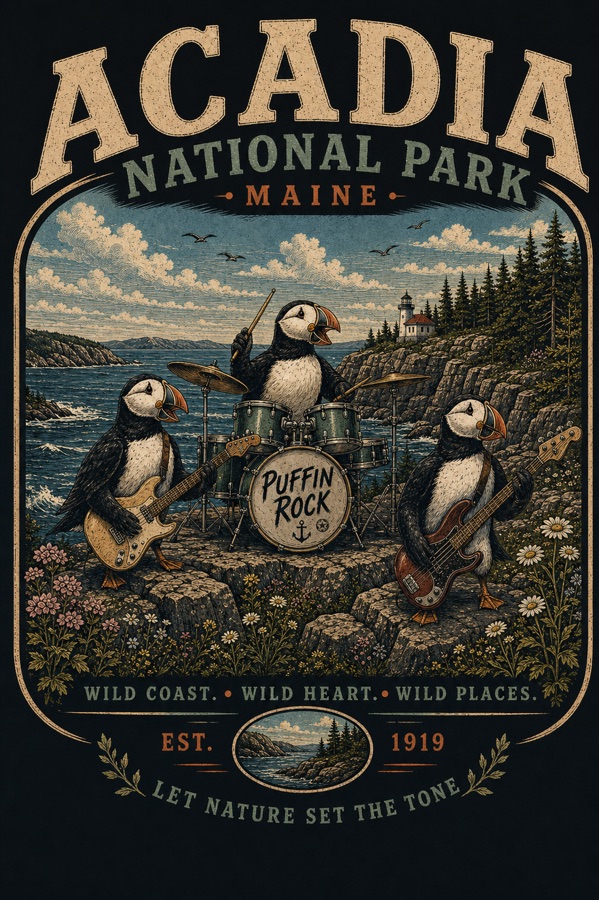
Acadia squeezes an improbable amount of scenery onto one Maine island: pink granite headlands, spruce forest, glacial ponds, stone bridges, and a mountain where you can watch the first sunrise to hit the United States for much of the year. It is compact enough to feel knowable in a weekend and layered enough to keep people coming back for decades.
It is also one of the most visited parks in the country despite being one of the smallest, so timing matters here more than almost anywhere. This guide covers the essential stops, how the reservation and shuttle systems work, and the tide math that strands a few unlucky visitors every summer.
The stops worth planning a day around.
The highest point on the Atlantic coast north of Brazil, and from early October to early March the first place the sun touches the continental US. Driving up for sunrise requires a timed vehicle reservation during the busy season, so book ahead.
The 27-mile scenic loop stringing together most of the park's famous stops: Sand Beach, Thunder Hole, Otter Cliff, and Jordan Pond. Drive it clockwise, early, and plan to pull over constantly.
A narrow inlet where incoming waves compress air in a sea cave and detonate with a boom and a plume of spray. It performs best about one to two hours before high tide with a swell running; at flat calm it is just a very scenic rock.
A glacial pond with a flat, family-friendly shore loop and a straight-on view of the rounded Bubbles. The Jordan Pond House has served popovers and tea on the lawn since the 1890s, and yes, it is worth the stop.
Acadia's famous iron-rung climbs, with ladders and exposed granite ledges over the ocean. Short but genuinely airy; skip them in rain and take the regular trails down. The Precipice closes seasonally to protect nesting peregrine falcons.
Forty-five miles of car-free crushed-stone roads built by John D. Rockefeller Jr., linked by hand-cut granite bridges. Biking them is one of the best half-days in the park; rentals are easy to find in Bar Harbor.
A working lighthouse perched on the island's quiet side, and the park's classic sunset shot. The viewing area is small, so arrive well before golden hour or come at sunrise instead.
The only piece of the park on the mainland, about an hour's drive away, with the same granite-and-surf drama and a fraction of the crowds. The move when Mount Desert Island feels full.
The logistics that surprise first-time visitors.
During the busy season, driving the Cadillac Summit Road requires a timed vehicle reservation purchased online in advance, and sunrise slots sell out quickly. Check the official National Park Service site for the current system before your trip.
Parking at the famous stops fills by mid-morning in summer. The fare-free Island Explorer buses link Bar Harbor, campgrounds, and most trailheads from late June into October and remove the worst headache of an Acadia day.
Lodging in Bar Harbor and the surrounding villages fills months ahead for July, August, and fall foliage. Shoulder-season visits are dramatically easier and the park is just as good.
Leashed dogs are welcome on about 100 miles of trails and all the carriage roads, which makes this one of the best national parks to visit with a dog. The rung trails and a few beaches are the main exceptions.
The first three weeks of October bring some of the heaviest crowds of the year along with the color. Book earlier than you think and treat weekends like summer holidays.
Fog can erase a sunrise, wind on Cadillac is a different climate from Bar Harbor, and granite gets cold. A warm layer and a shell earn their space in the pack even in August.
The safety notes rangers repeat for good reason.
At low tide a gravel land bridge lets you walk from Bar Harbor to Bar Island. The window is only about 90 minutes on either side of low tide, and the returning water is deep and cold. People get stranded every year; check a tide chart and set an alarm.
The black, wet zone of coastal granite is polished and slick, and rogue waves occasionally sweep people off ledges at Thunder Hole and Otter Cliff in heavy swell. Stay above the wet line, especially after storms.
The Beehive and Precipice are real scrambles with long drops. They are one-way-up routes by convention, dangerous in rain, and not for anyone uneasy on ladders. There is no shame in the Bowl Trail alternative.
Acadia packs millions of visitors into a small island. Midday parking is a contact sport in peak months; flip your schedule to early mornings and late afternoons and the park feels twice as big.
Bikes yield to everyone, everyone yields to horses, and e-bike rules have their own fine print. The roads are shared and the blind stone-bridge corners are where collisions happen, so ring the bell and ease off.
What each season actually feels like on the ground.
Warm days, every trail and shuttle running, and the classic Maine harbor scene in full swing. Busiest window, so mornings are your friend.
Foliage over granite and ocean is Acadia's signature look, and September in particular balances color, weather, and manageable crowds beautifully.
Quiet trails, returning seabirds, and cool hiking weather. Some facilities and the shuttle start later in the season, and blackflies make their brief annual appearance inland.
Most of Park Loop Road closes to cars and the park goes silent. Cross-country skiing and snowshoeing on the carriage roads is a local secret, and from October to March Cadillac catches the nation's first sunrise.
Independent park-inspired designs from our studio. Park-inspired, never official NPS merch.

Comfort Colors 17173 colors
Quick answers to the questions people actually ask.
Two full days covers the greatest hits: one for Park Loop Road, Sand Beach, Thunder Hole, and Jordan Pond, and one for a Cadillac sunrise plus a hike or a carriage-road bike ride. Add a third day for Schoodic Peninsula or the island's quiet western side.
The park itself requires an entrance pass but no general reservation. The exception is the Cadillac Summit Road, which uses timed vehicle reservations during the busy season. Rules can change year to year, so verify on the official National Park Service site.
Roughly one to two hours before high tide, ideally with a swell left over from offshore weather. At low tide or in calm seas it is quiet, so check the tide chart and build your loop-road timing around it.
It is one of the best. Jordan Pond, Ship Harbor, Wonderland, and the Ocean Path are all flat and spectacular, the carriage roads are stroller-friendly, and the shuttle makes car-free days easy.
Yes. Acadia is among the most pet-friendly national parks, with leashed dogs allowed on most trails and all carriage roads. Keep them off the rung trails and check current rules for beaches and Isle au Haut.
Conditions, reservation systems, and fees change. Always check the official National Park Service site for current information before your trip. National Park Gift Shop is an independent brand and is not affiliated with, endorsed by, or sponsored by the National Park Service or any government entity.