Summer (July through early September)
Everything is open, wildflowers peak in July, and the weather is the most reliable. It is also the busiest window, which is another argument for dawn starts.
Park Guides · Wyoming
Jagged peaks, glassy lakes, and the best moose-watching in the lower 48.
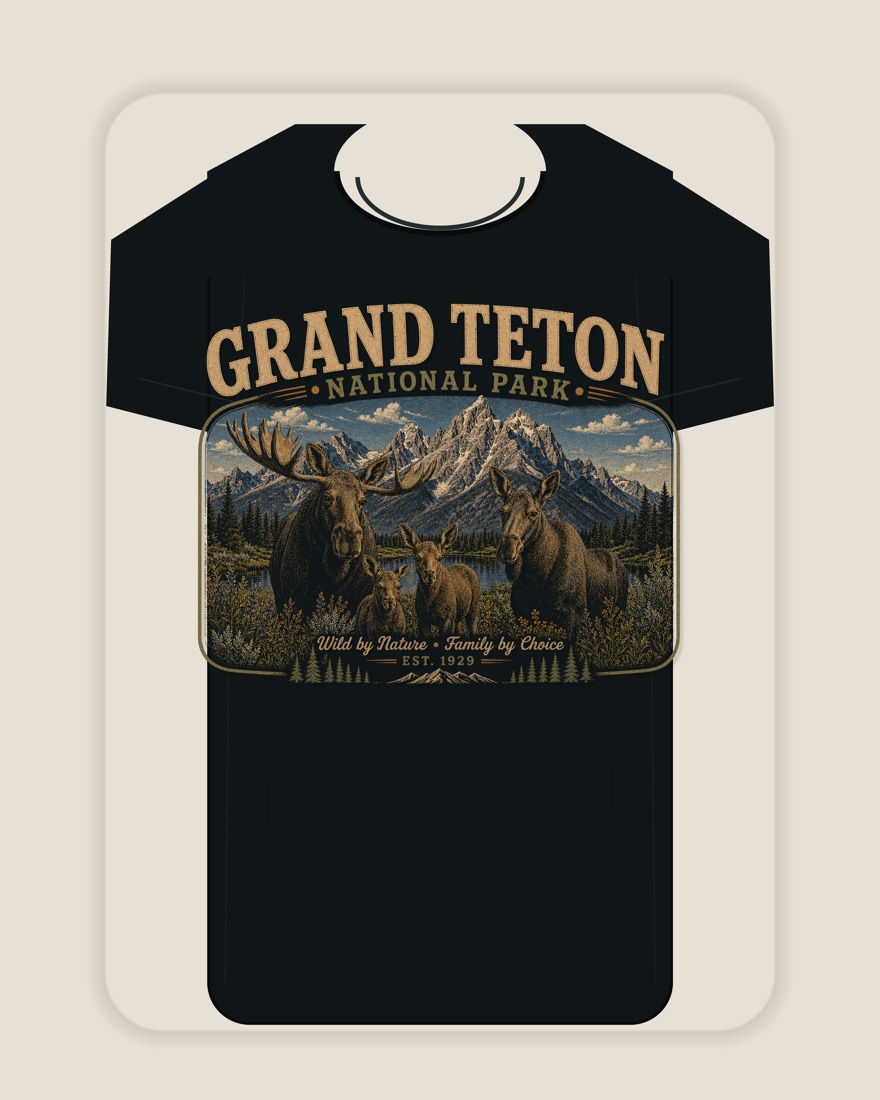
Grand Teton is the rare park where the postcard view starts in the parking lot. The Teton Range rises nearly 7,000 feet straight off the valley floor with no foothills to soften the reveal, which is why every pullout on the main road feels like a scenic overlook and why photographers set alarms for sunrise here.
It is also one of the best wildlife-watching parks in the country. Moose, elk, pronghorn, black bears, and grizzlies all live in the valley, and the park sits directly south of Yellowstone, so most road trips pair the two. This guide covers the stops worth planning around, the practical stuff that surprises first-time visitors, and the safety notes rangers repeat for good reason.
The stops worth planning a day around.
The park's signature outing. Take the boat shuttle across Jenny Lake or hike the lakeshore, then climb to Hidden Falls and Inspiration Point for the classic canyon-and-lake view. Go early; the parking lot fills before mid-morning in summer.
The bend in the river that Ansel Adams made famous. The trees have grown since his 1942 photo, but the sweep of the Snake River under the full Teton Range is still one of the great roadside views in America.
A slow, glassy curve of the Snake River with Mount Moran mirrored in the water. Best at dawn when the surface is calm, mist is rising, and moose and river otters are most active.
Weathered homestead barns from the early 1900s sitting in open sagebrush with the entire range behind them. It is the most photographed barn scene in the country and a quick, easy stop off Antelope Flats Road.
A short gravel road drops to beaver ponds along the Snake River where the Tetons reflect almost perfectly on still mornings. A favorite of photographers and a reliable spot for waterfowl and the occasional moose.
A paved drive to a summit view across the entire Jackson Hole valley. It is one of the few places you can get elevation without a hike, and sunset from the top is superb.
A moderate 3-plus mile round trip through forest and moraine to a lake sitting directly under the peaks. A great first hike to get your legs at altitude without committing to a full canyon day.
The two most dependable moose neighborhoods in the park. Scan the willows near Jackson Lake Lodge at dawn or drive the Gros Ventre River corridor at dusk and give any moose you find generous space.
The logistics that surprise first-time visitors.
The Tetons face east, so morning light hits the peaks straight on while evenings put them in silhouette. Wildlife is also most active early. Building your days around dawn is the single biggest upgrade to a Teton trip.
Both black and grizzly bears live here. Carry bear spray on any trail, keep it reachable rather than buried in a pack, make noise around blind corners, and never leave food out. Spray is sold and rented in Jackson and inside the park.
Yellowstone's south entrance is about 30 minutes from Jackson Lake. Most people combine the parks, but Grand Teton rewards more than a drive-through day. Two to three days here is the sweet spot.
Jackson is a resort town with resort pricing, and in-park lodges and campgrounds book out months in advance for summer. Decide early whether you are staying in the park, in Jackson, or over Teton Pass in Idaho.
The valley floor sits near 6,800 feet and trails climb from there. Drink more water than usual, expect hikes to feel harder than the mileage suggests, and give yourself an easy first day if you are coming from sea level.
Entrance passes are checked at stations year-round, and Teton Park Road closes to cars in winter. Reservation and pass rules can change season to season, so check the official National Park Service site for current conditions before your trip.
The safety notes rangers repeat for good reason.
Moose injure more people in the region than bears do. They look calm right up until they charge, especially cows with calves and bulls in the fall rut. Stay at least 25 yards away and give them the trail, the road, and the willow patch.
Park rules require staying 100 yards from bears and wolves and 25 yards from all other wildlife. A telephoto lens or binoculars is how you get close. A roadside bear jam is not an invitation to walk closer.
Summer storms build over the range fast, often in the early afternoon. If you are on an exposed ridge or above the treeline and hear thunder, head down. Start big hikes early so you are descending by midday.
The lakes are snowmelt-fed and stay cold all summer. Swims are short and bracing, and the Snake River's current is stronger than it looks. Wear a life jacket for any float and treat every paddle like the water is 55 degrees, because it usually is.
Much of the park effectively closes to vehicles from roughly November through April, and early-season trails can be snowbound into June. If you are visiting outside summer, check what is actually open before building an itinerary.
What each season actually feels like on the ground.
Everything is open, wildflowers peak in July, and the weather is the most reliable. It is also the busiest window, which is another argument for dawn starts.
Golden aspens, the elk rut echoing across the valley, and thinner crowds. Many regulars call late September the best week of the year here.
Quiet, white, and spectacular. Teton Park Road becomes a ski and snowshoe track, and the National Elk Refuge next to Jackson hosts thousands of wintering elk.
Baby animals, waterfalls at full volume, and unpredictable weather. High trails hold snow into June, so plan valley hikes and wildlife drives rather than canyon summits.
Independent park-inspired designs from our studio. Park-inspired, never official NPS merch.

Comfort Colors 17173 colors

Comfort Colors 17173 colors
Quick answers to the questions people actually ask.
Two to three days covers the highlights well: one day for Jenny Lake and a hike, one for the scenic drives and overlooks, and a morning or evening dedicated to wildlife watching. You can see the icons in one packed day, but you will spend it wishing you had two.
Willow Flats near Jackson Lake Lodge, the Gros Ventre River corridor, and the beaver ponds at Schwabacher Landing are the classic spots. Dawn and dusk are prime time. Keep at least 25 yards of distance, more if a calf is around.
Yes, and many visitors end up preferring it. Yellowstone is about geysers and scale; Grand Teton is about alpine scenery you can actually get close to, with better mountain views and comparable wildlife in a much smaller area.
You need an entrance pass, and lodging and campgrounds inside the park require booking well ahead. Policies can change from season to season, so check the official National Park Service site for the current rules before your trip.
Bear spray, real layers even in July since mornings start near freezing at altitude, sunscreen for the thin air, and binoculars. The wildlife here is a long-lens experience, and binoculars turn every pullout into a show.
Conditions, reservation systems, and fees change. Always check the official National Park Service site for current information before your trip. National Park Gift Shop is an independent brand and is not affiliated with, endorsed by, or sponsored by the National Park Service or any government entity.